
The North Cape and Buzzards Bay Oil Spills
In January of 1996, the North Cape barge ran aground and spilled its cargo of home heating oil off the coast of Rhode Island. The spill killed more than 400 wintering loons, most of which are believed to have summered in northern New England and southern Canada.
The Loon Preservation Committee’s data on loon populations, productivity, and threats to loon populations provided the foundation for determining the amount and type of restitution required from the responsible party. LPC’s large number of members and volunteers demonstrated strong public support for loons and the need to replace the loons killed as a result of the spill. LPC’s data resulted in a $3 million settlement to protect loon nesting habitat in northern New England and increase loon productivity to help replace loons killed in the spill.
In April of 2003, the Bouchard Barge 120 struck bottom and spilled its load of No. 6 fuel oil into Buzzards Bay in southeastern Massachusetts, killing more than 200 wintering loons. LPC coordinated the efforts of a number of conservation organizations to track the dispersal and fate of loons not killed outright by the spill. Our data will be instrumental in determining restitution to help replace loons lost in the Buzzards Bay oil spill.
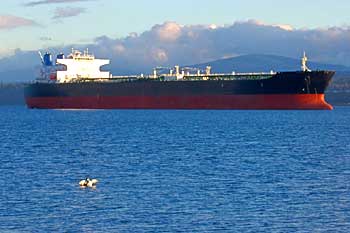
The North Cape and Bouchard oil spills killed over 600 loons wintering off the coast of New England.
Interesting links
Here are some interesting links for you! Enjoy your stay :)Pages
- 2022 Public Presentations
- 2025 “Collect to Protect” Contest
- About
- About Loon Safe
- About Loons
- Annual Appeal
- Annual Benefit Raffle
- Annual Maintenance
- Annual Meeting
- Assembling a Raft Floating Team
- Banding and Tracking Loons
- Bequests
- Bills Test Page
- Birdathon Bloomathon
- Blog
- Board of Trustees
- Business and Association Members
- Business and Association Membership
- Caroline Test Page
- Cart
- Celebration
- Census
- Chat Log
- Checkout
- Common Loon Plumage and Appearance
- Contact Us
- Counting Loons
- Director of Development and Membership
- Donate
- Donate to Support LPC’s Mission
- Donations
- East Lakes Region Volunteer Dashboard
- Effects of Lead Fishing Tackle on Loons in New Hampshire
- EV Charger Donations
- Events
- FAQs and Loons and Lead Poisoning
- Feedback
- Field Volunteer Opportunities
- Financial Statements and Tax Returns
- Fish Lead Free
- Frequently Asked Questions
- Guardian
- Guided Paddling Trips
- Guidelines for Boaters
- Hatch Time Contest
- Hatch Time Contest – LoonCam 2
- HollyTest
- Home
- Household Hazardous Waste Sites that Now Accept Lead (Pb) Fishing Tackle
- How to be Loon Safe
- Initiatives
- Is it a Loon?
- Job Opportunities
- Keeping Up with LPC!
- KLK
- Lakes Region East Report
- lco
- Lead Tackle Buyback Terms
- lead-tackle-buyback-terms
- Lees Pond
- Legislation
- Loon Behavior
- Loon Center Volunteer
- Loon Chick Development
- Loon Diet
- Loon Fact Sheets
- Loon Leadership Circle
- Loon Links
- Loon Nesting Signs and Float Lines
- Loon Preservation Committee News
- Loon Recovery Plan
- Loon Reproduction
- Loon Rescues
- Loon Safe
- Loon Safe
- Loon Safe Fishing Guidelines
- Looncam Control
- Looncam Live 2
- looncam2022
- looncamstaff
- Loons & Lead Legislative History
- Loons and Lead
- Loons and Lead
- Loons as Biomonitors
- LoonSafe Partner Resources
- LPC Loon Cam
- LPC’s Lead Tackle Buyback
- Management
- Meet (some of) the Banded Loons of New Hampshire!
- Memberships
- Monadnock Region Volunteer Dashboard
- Monadnock Report
- Monitoring
- Mortality and Nest Failure
- My account
- Nest Rafts
- Nest Rafts
- Newsletter Archive
- North Country Report
- North Country Volunteer Dashboard
- Northeast Loon Study Working Group (NELSWG)
- Oil Spills
- Online Census Form
- Online Census Form Test
- Our Work
- Outreach and Public Education
- Participating Retailers – List
- Partnerships for Conservation
- Pemigewasset Region Volunteer Dashboard
- Pemigewasset Report
- Personal Membership
- Presentation Request Form
- Presentation Survey
- Presentations
- Privacy Policy
- Privacy Policy
- Raft Criteria
- Report a Loon in Distress
- Report a Loon Nest in the East Lakes Region
- Report a Loon Nest in the Monadnock Region
- Report a Loon Nest in the North Country
- Report a Loon Nest in the Pemigewasset Region
- Report a Loon Nest in the Seacoast Region
- Report a Loon Nest in the Sunapee Region
- Report a Loon Nest in the West Lakes Region
- Report a Loon Nest on Lake Winnipesaukee
- Reporting Loons in Distress
- Research
- Resources for Partners
- Seacoast Region Volunteer Dashboard
- Seacoast Report
- Shop
- Shoreline Development and Lake Use
- Site Map
- SLLIReport
- Social Media Donations
- Spring Raft Floating
- Squam Lake Loon Initiative
- Squam News Blog
- Staff
- Staff
- Stock Gifts
- Subscribe
- Subscribe
- Sunapee Region Volunteer Dashboard
- Sunapee Report
- Support
- Support LPC
- Support LPC’s Loon Recovery Program
- Supporting Associations
- Terms and Conditions
- Terms of Use
- Thank you for subscribing
- The Call of the Loon
- The Loon Center
- The Loon Safe Patch and Troop Award
- The Markus Wildlife Sanctuary
- Threats to Loons
- Timelapse
- Transfer Stations
- Transfer Stations
- Understanding Loons: Learn to Read the Signs
- Vegetating Your Nest Raft
- Visit
- Voices of the Loon
- Volunteer
- Volunteer Observation Report
- West Lakes Region Volunteer Dashboard
- WestReport
- Where to Buy Lead-Free Tackle
- Winnipesaukee Monthly Volunteer Report
- Winnipesaukee Volunteer Dashboard
- Winter Storage
- You Can Help Loons!
About LPC
Contact LPC
(603) 476-5666
183 Lees Mill Rd
Moultonborough, NH 03254