
Courtesy of Chris Conrod
The Work of LPC
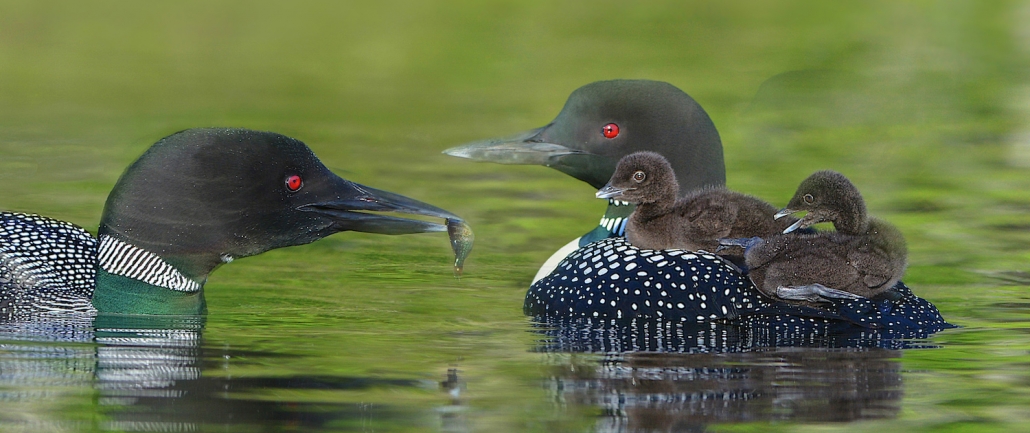
The Loon Preservation Committee works to preserve loons and their habitats in New Hampshire through programs of monitoring, research, management, and public education, all fostered by an extensive grassroots network of dedicated members and volunteers.
Many of LPC’s initiatives to address threats to loons involve close coordination with federal and state agencies, and other non-profit organizations.
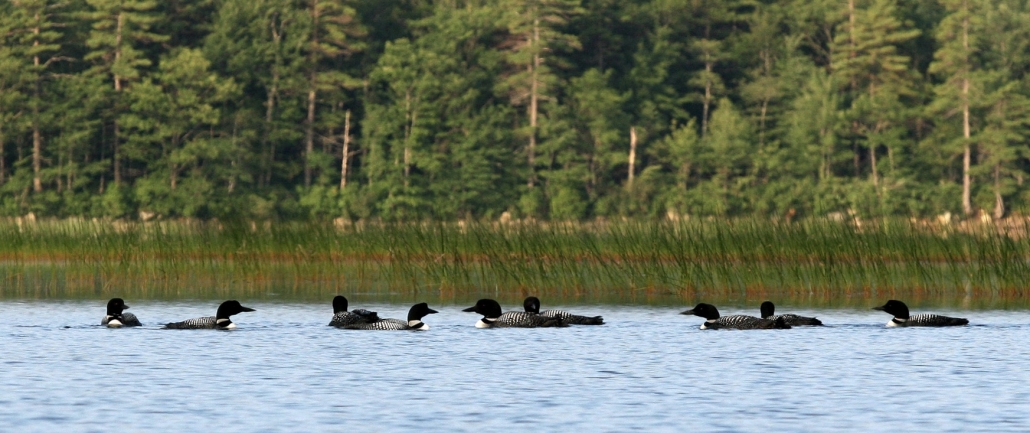
Counting Loons
Counts of adult loons and loon productivity help to identify challenges that loons face and allow us to evaluate how effective our management strategies have been at recovering the population.
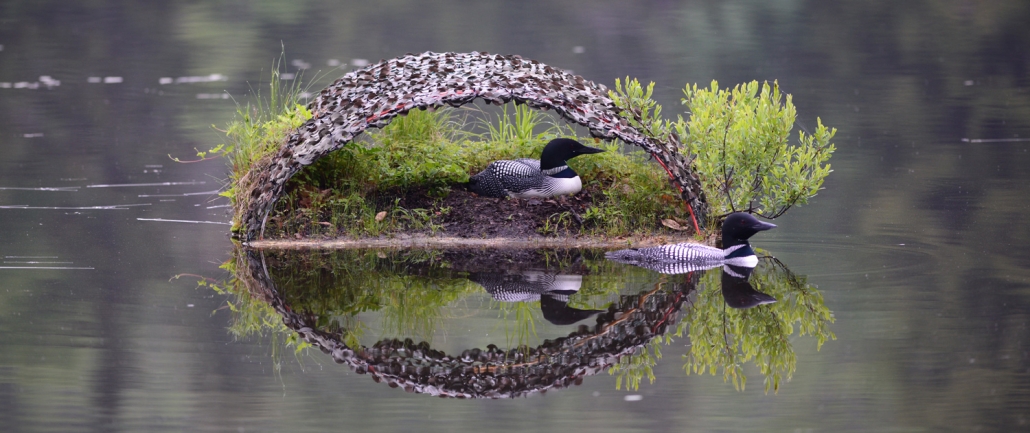
Loon Nest Rafts
Loon nests are vulnerable to natural or human-induced water level changes that flood nests or leave them stranded out of reach of parents. LPC rafts also have covers to help protect nests from predation by eagles and other avian egg predators.
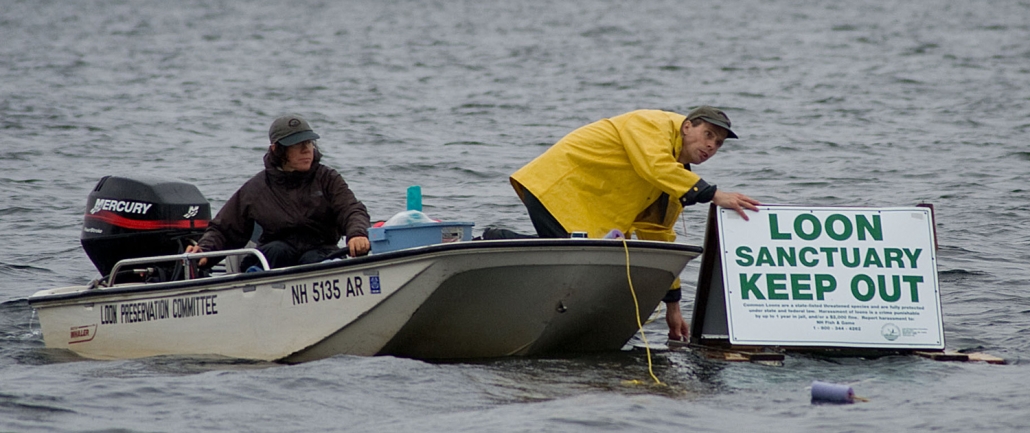
Signs and Float Lines
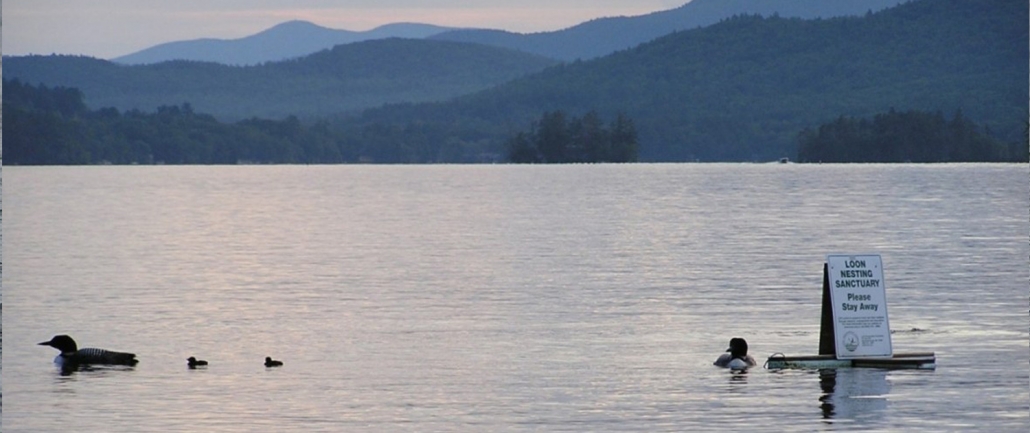
LPC staff and volunteers place signs and float lines around nesting loons to help assure loons of the space they need to incubate eggs.
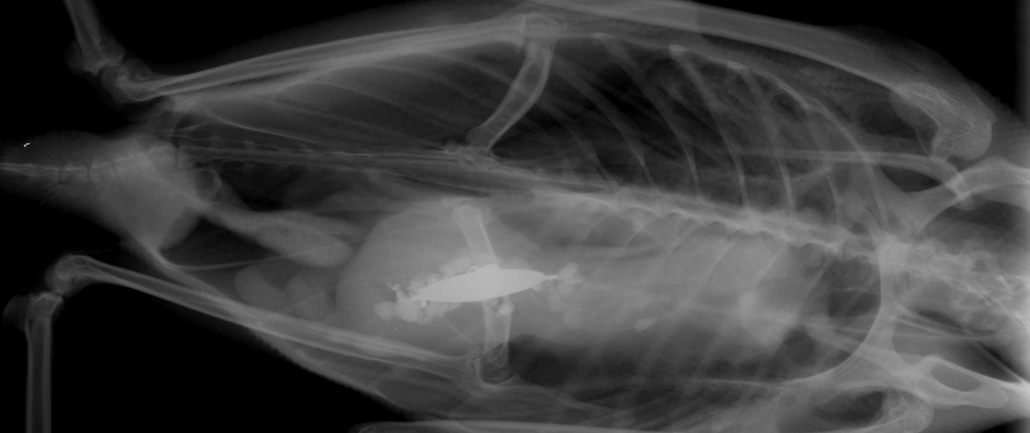
Protecting Loons from Lead
Loon necropsies (animal autopsies) conducted by LPC staff and collaborators have revealed that lead poisoning from ingested lead fishing sinkers and lead-headed jigs is by far the largest cause of known adult loon mortality in New Hampshire.
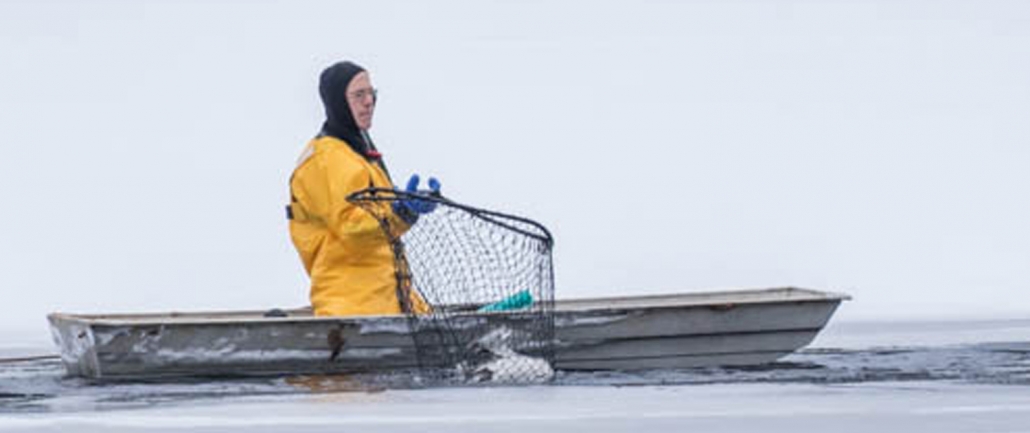
Loon Rescues
LPC staff members commonly rescue loons that have become entangled in fishing line, ingested lead fishing tackle, and crash landed on roads after mistaking wet pavement for water.
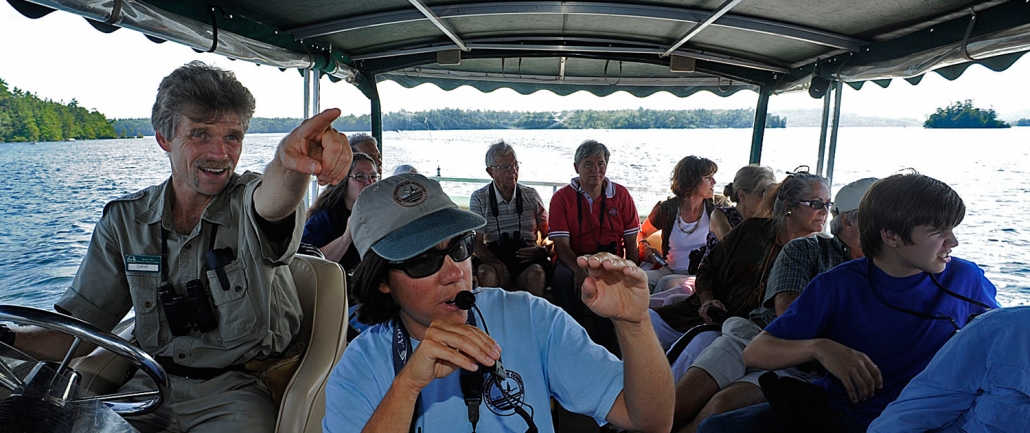
Outreach and Public Education
A caring, involved, and educated public is the key to preserving loons and other wildlife. LPC strives to help others learn about loons, their biology, and what each of us can do to help them thrive.
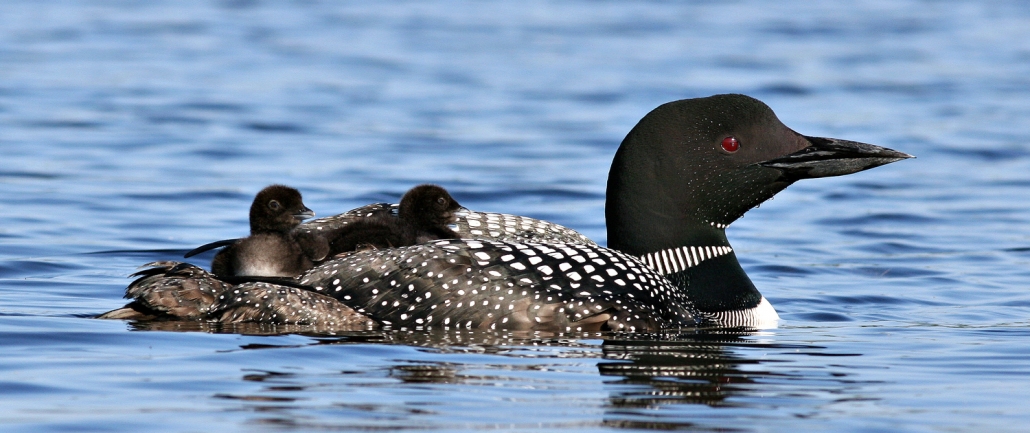
Loon Research
LPC works in many areas to research loons, the effects of human activities on loons, and our ability to mitigate those effects through management and education.
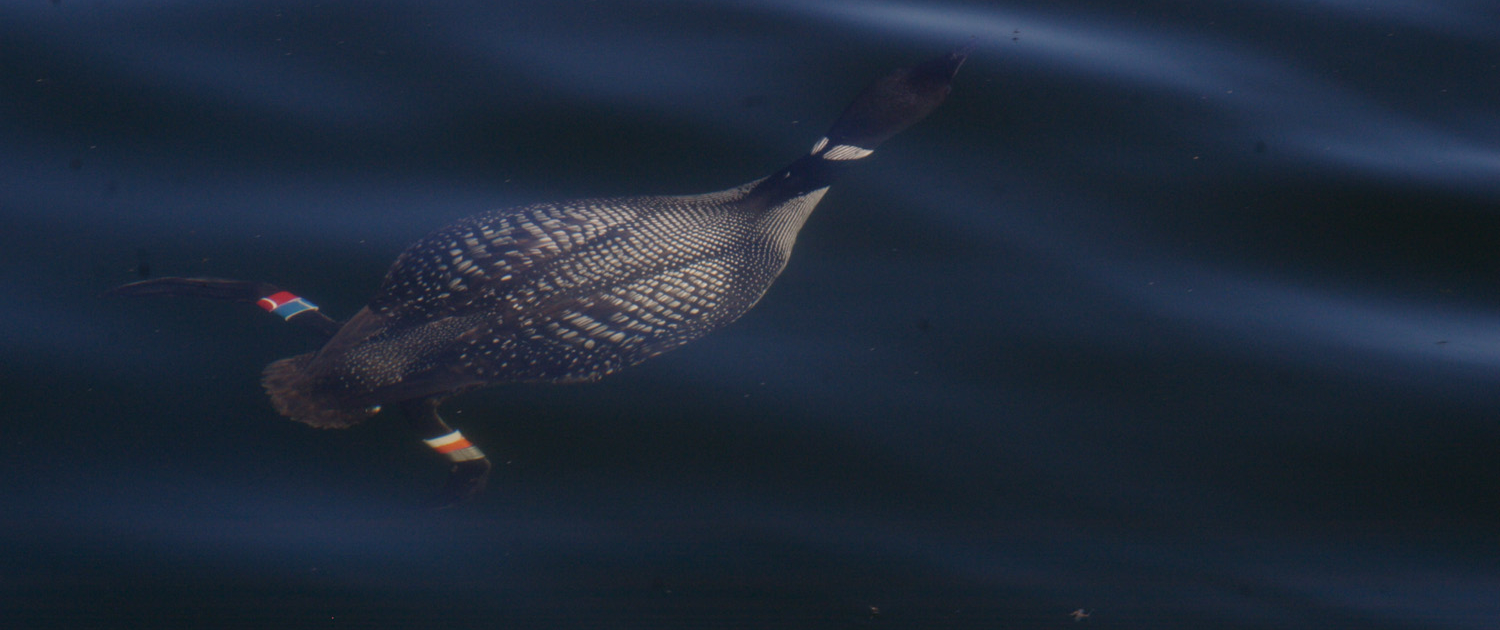
Live Loon Cam
Beginning just after ice-out, LPC streams a live broadcast of a loon nesting site. From site selection through nest building, eggs being laid, incubated and hatched. Over 100,000 people in dozens of countries learn about loons by watching them live. The LPC’s YouTube channel offers over 100 video clips from over the years.
Loon Recovery Initiative
The Loon Recovery Initiative was created to identify gaps in our knowledge of loons. It provides a conceptual framework to integrate our educational products and programs with new and ongoing research and management activities to preserve loons.
Squam Lake Loon Initiative
Created in 2007, the Squam Lake Loon Initiative (SLLI) includes an increased monitoring, research, management and outreach efforts.